
Rainbow identities and people are part of every community, culture and whānau. There’s no single experience of being rainbow. This page introduces some words and concepts related to rainbow communities, and links to resources where you can learn more.
Rainbow includes people who identify with words like takatāpui, lesbian, gay, bisexual, intersex, transgender, queer, non-binary or fa’afafine, as well as people who don’t use specific words for their identity, people whose identity changes over time, and people who are in the process of understanding their own identity and may not have ‘come out’ to themselves or others.
When we talk about rainbow people, we mean everyone who lives outside of majority, binary, Western norms in terms of their:
sexuality or sexual orientation (this relates to who people are attracted to or have relationships with). Some words related to sexual orientation include queer, asexual, gay, lesbian and bisexual.
gender (this relates to people’s self-determined gender and how they express it). Some terms related to gender include transgender and non-binary.
sex characteristics (this relates to people’s physical anatomy, like their genitals, body hair, chromosomes, hormones and other features). People who are born with an innate variation of sex characteristics (their body is different from typical expectations of ‘male’ or female’) might identify as intersex.
Other words that have a similar meaning to rainbow include LGBTI+, sex, sexuality and gender minorities, or queer, trans and intersex. We say rainbow as a way of including these concepts, as well as non-Western ways of understanding rainbow lives.
Read more:
rainbow terminology and intersex language from Te Ngākau Kahukura
sexuality 101 and gender 101 from RainbowYOUTH
all about intersex from Intersex Aotearoa
There are countless resources online to learn more about rainbow language, identities and experiences. Having some understanding of these concepts and words will help guide and ground your work with rainbow communities.
However, reading about words and concepts can only go so far. If you’re working with rainbow people, the most important thing is not to learn a list of new words, but to listen, connect and ask respectful questions about the language that they’re using.
In Te Ao Māori, the word takatāpui has been reclaimed to embrace all Māori who are not straight or cisgender, or who have a variation of sex characteristics. Not every Māori rainbow person uses the kupu ‘takatāpui’ to describe themselves.
Takatāpui are part of every whānau - as Dr Elizabeth Kerekere has said, “always have been, always will be”. This position as loved and accepted whānau members was challenged through colonisation. As part of the project to assimilate Māori into Pākehā culture, colonists suppressed mātauranga and Māori rainbow lives through religious, moral and legal measures.
While many Māori are reclaiming their takatāpui identities and takatāpuitanga, the lasting effects of colonisation continue. Religious perspectives about rainbow identities have led some whānau to reject or isolate takatāpui. Social service, healthcare, education, and judicial systems create barriers for takatāpui, fuelled by institutional racism and anti-rainbow hostility. The increased risk of takatāpui experiencing homelessness is a direct result of the lasting impacts of colonisation
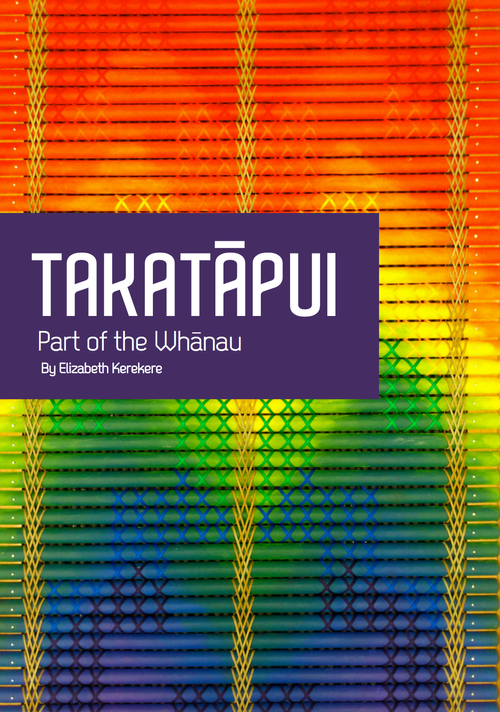
Takatāpui.nz is a resource hub for takatāpui and their whānau
Takatāpui identities and experiences is a YouTube playlist of takatāpui stories, resources and conference presentations.

Rainbow Pasifika is a YouTube playlist of videos about rainbow Pasifika identities and lives
In Pacific cultures, traditional rainbow identities include fa’afafine, akava’ine, fakaleiti (leiti) and fakafifine. These identities carry their own meaning that live outside of Western concepts, and are inseparable from their cultural contexts. The term MVPFAFF (now usually acknowledged as MVPFAFF+) was developed by Phylesha Brown-Acton to encourage wider use and recognition of traditional Pacific terms such as mahu, vakasalewalewa, palopa, fa'afafine, akava'ine, fakaleiti or leiti, and fakafifine.